
A Place for Women Seeking Real Change and Lasting Recovery
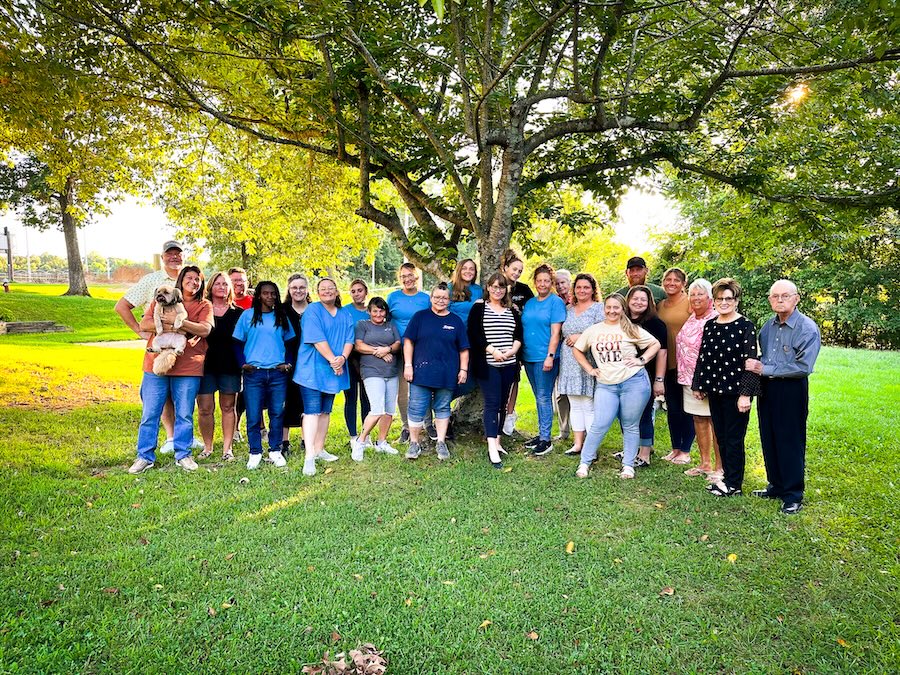
Addiction affects women in deeply personal ways. What may begin as an attempt to manage stress, emotional pain, trauma, or overwhelming life circumstances can slowly take control of daily life. Over time, substance use often disrupts health, family relationships, employment, and self-worth, leaving many women feeling stuck or unsure how to move forward.
For women searching for a different path, long-term recovery environments offer the opportunity to step away from destructive cycles and focus fully on healing. Residential programs designed specifically for women provide space, structure, and support that are difficult to find through short-term or fragmented care.
Located in Western Kentucky, this women’s recovery center serves individuals from across the state and surrounding regions. The program offers a residential setting where women can begin rebuilding their lives with guidance, accountability, and a renewed sense of purpose.
Why Women Benefit from Gender-Specific Recovery Programs
Women often experience addiction differently than men. Many enter treatment carrying histories of trauma, unhealthy relationships, grief, or long-term emotional stress. A women-only recovery environment allows participants to focus on healing without the pressure or distractions that may exist in mixed-gender settings.
Gender-specific programs create a sense of emotional safety and understanding. Women are encouraged to speak openly, build trust, and address sensitive experiences in a supportive community of peers who share similar challenges.
In residential womens rehabs, daily life is structured around consistency, accountability, and community. Over time, isolation is replaced with connection, and destructive patterns are replaced with healthier routines that support long-term stability.
Residential Recovery as a Foundation for Lasting Change
Inpatient rehab offers an immersive environment that allows women to step away from the pressures and triggers of everyday life. Unlike outpatient options, residential care provides continuous structure and support throughout the day, helping individuals focus fully on recovery.
Many women entering inpatient rehab have tried other approaches in the past. Short programs or outpatient drug rehab services can be helpful for some, but they may not provide enough time or stability for those facing long-term or complex challenges.
A residential setting allows women to practice new habits consistently, receive ongoing guidance, and experience personal growth at a sustainable pace. This extended timeframe supports deeper transformation rather than temporary improvement.
Addressing Addiction as a Whole-Life Challenge
Substance use rarely exists on its own. For many women, addiction is intertwined with emotional wounds, spiritual struggles, and long-standing behavioral patterns. Focusing only on stopping drug or alcohol use often leaves deeper issues unresolved.
Whole-person recovery approaches look beyond symptoms and address the underlying factors that contribute to addiction. This includes emotional health, personal responsibility, spiritual growth, and the development of practical life skills.
By working through these areas together, women gain tools that support long-term stability rather than short-term abstinence. Recovery becomes a process of personal renewal rather than simply avoiding substances.
Long-Term Structure Instead of Short-Term Treatment
Many treatment centers operate on limited timelines shaped by insurance or financial constraints. While these programs may provide initial support, they often do not allow enough time for meaningful behavioral change.
Long-term inpatient rehab programs emphasize consistency, discipline, and personal accountability over time. Women are given space to practice new ways of thinking, responding, and living in a supportive environment.
This extended model helps reduce relapse risk by allowing recovery principles to become deeply rooted. Participants leave with a stronger foundation and greater confidence in their ability to maintain healthy routines.
Daily Life in a Structured Recovery Environment
A predictable daily routine plays an important role in healing. Many women entering recovery come from lives marked by instability or chaos. Structure helps restore balance and builds a sense of safety and purpose.
While schedules may vary, daily life in a residential program often includes a combination of group learning, personal reflection, work responsibilities, and community engagement.
- Guided group sessions focused on character and personal growth
- Time for reflection, goal-setting, and personal development
- Work responsibilities that build confidence and accountability
- Mentorship from experienced staff and leaders
- Community living that encourages mutual support
Over time, these routines help women replace destructive habits with constructive patterns that carry into life after the program.
How Inpatient and Outpatient Options Differ
When exploring treatment options, many families compare inpatient rehab with outpatient drug rehab services. Each serves a different purpose depending on individual needs and circumstances.
Outpatient drug rehab allows individuals to live at home while attending scheduled sessions. This can be helpful for those with stable environments and strong external support systems.
Inpatient rehab, on the other hand, provides a fully immersive experience. Women live on-site and receive continuous guidance, making it better suited for those who need distance from triggers, unsafe environments, or long-standing patterns of substance use.
Understanding these differences helps families make informed decisions about the level of care that best supports long-term recovery.
Support, Accountability, and Community
Recovery is rarely successful in isolation. Community plays a vital role in helping women remain accountable and encouraged throughout the process.
Living alongside others on a similar journey creates opportunities for mutual support, shared learning, and honest reflection. Over time, women learn to build healthy relationships based on trust and respect.
These connections often extend beyond the program itself, providing encouragement and accountability as women transition back into everyday life.
A Story of Change and Renewal
Personal stories often illustrate recovery more clearly than statistics. Many women who complete long-term residential programs describe renewed confidence, restored relationships, and a clearer sense of direction.
One such story reflects how structure, faith, and community support can help women move beyond addiction and rebuild their lives with purpose.
Life After Residential Recovery
Completing a residential program is an important milestone, but recovery continues beyond the campus. Women are encouraged to apply the routines, values, and coping strategies learned during treatment to everyday life.
Many graduates pursue employment, rebuild family relationships, and engage in supportive communities that reinforce healthy living. Some may continue with outpatient drug rehab or counseling services as part of ongoing care.
Long-term recovery is built on consistency, support, and a commitment to personal growth. With the right foundation, women can move forward with confidence and hope.
Taking the First Step Toward Recovery
Choosing a recovery program is a significant decision for women and their families. Understanding the differences between womens rehabs, inpatient rehab, and outpatient drug rehab options can help guide that choice.
For those seeking a structured, long-term residential environment focused on whole-life change, inpatient programs offer the space and support needed to begin again.
Help is available, and lasting change is possible. With time, structure, and the right support, women can reclaim their lives and build a healthier future.


