
Prescription Drug Abuse
Understanding, Prevention, and Treatment for Women
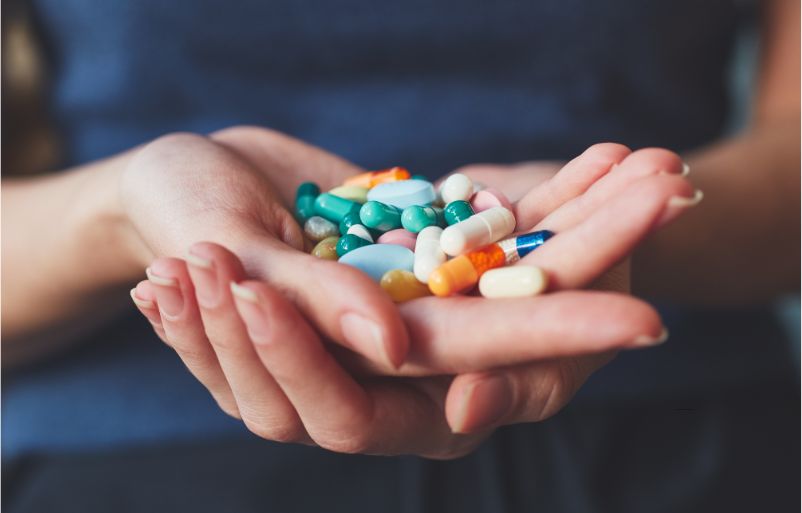
Prescription drug abuse is a significant and growing concern, particularly among women who are often prescribed medications for legitimate health issues. The misuse of prescription drugs, such as opioids, benzodiazepines, and stimulants, can lead to serious health complications, addiction, and even overdose. Immediate and effective intervention is essential for addressing prescription drug abuse, preventing overdose, and managing withdrawal symptoms safely. This article explores the scope of prescription drug abuse, its impacts on women, and the vital role of treatment centers like Kentucky Women’s Rehab, part of Teen Challenge, in providing comprehensive addiction treatment.
Understanding Prescription Drug Abuse
» Types of Prescription Drugs Commonly Abused:
- Opioids: Opioids, including medications like oxycodone (OxyContin), hydrocodone (Vicodin), and morphine, are commonly prescribed for pain management. Despite their effectiveness, they carry a high risk of dependence and addiction due to their ability to produce feelings of euphoria and relief. Chronic use can lead to physical dependence, where the body becomes reliant on the drug to function normally.
- Benzodiazepines: Benzodiazepines, such as Xanax (alprazolam), Valium (diazepam), and Ativan (lorazepam), are prescribed for anxiety, insomnia, and other conditions. While they can be effective in managing symptoms, their potential for addiction is significant. Overuse or misuse of benzodiazepines can result in physical dependence and severe withdrawal symptoms when the medication is stopped.
- Stimulants: Stimulants like Adderall (amphetamine) and Ritalin (methylphenidate) are often prescribed for attention deficit hyperactivity disorder (ADHD) and narcolepsy. When misused, these drugs can lead to addiction, as they increase dopamine levels in the brain, creating a sense of heightened energy and focus. Misuse can also result in cardiovascular problems and severe psychological effects.
» The Path to Addiction:
Prescription drug abuse often begins with legitimate use of medication for managing health conditions. However, several factors can lead to misuse and addiction:
- Increased Tolerance: Over time, individuals may develop a tolerance to their medication, requiring larger doses to achieve the same effect. This can lead to misuse as individuals seek to maintain the initial level of relief or euphoria.
- Psychological Dependence: The psychological comfort and relief that prescription drugs provide can lead to emotional reliance on the medication. This dependence can make it difficult for individuals to stop using the drugs, even when they are aware of the risks.
- Easy Accessibility: Prescription medications are often readily available in households, making them more accessible for misuse. Additionally, some individuals may resort to obtaining prescription drugs through illegal means, such as doctor shopping or buying from illicit sources.
Don’t Let Addiction Control Your Life Any Longer. Kentucky Women’s Rehab offers compassionate, Christ-centered care designed to help women break free from addiction. Contact us now to explore affordable treatment options and start your path to recovery and renewed hope.

Impact of Prescription Drug Abuse on Women
» Health Consequences:
- Physical Health Risks: Long-term misuse of prescription drugs can lead to severe health issues, including liver damage (particularly with opioid use), respiratory depression, cardiovascular problems, and cognitive impairments. Overdose is a significant risk, especially with opioids and benzodiazepines, which can lead to respiratory failure and death.
- Mental Health Effects: Prescription drug abuse can exacerbate existing mental health conditions or lead to new psychological issues. Women may experience increased anxiety, depression, mood swings, and cognitive impairments. The misuse of stimulants can also result in paranoia, hallucinations, and aggressive behavior.
» Social and Personal Impact:
- Strain on Relationships: Prescription drug abuse can strain relationships with family, friends, and colleagues. Women struggling with addiction may face difficulties in maintaining personal and professional relationships due to behavioral changes, emotional instability, and dishonesty.
- Impact on Parenting and Caregiving: Women who are primary caregivers may struggle with the responsibilities of parenting and household management while dealing with addiction. This can lead to neglect of children’s needs, family conflicts, and potential legal issues related to child custody.
- Economic Consequences: The cost of purchasing prescription drugs, especially when misused or obtained illegally, can lead to significant financial strain. Women may experience financial difficulties as a result of spending on drugs, medical bills, or legal issues related to their addiction.
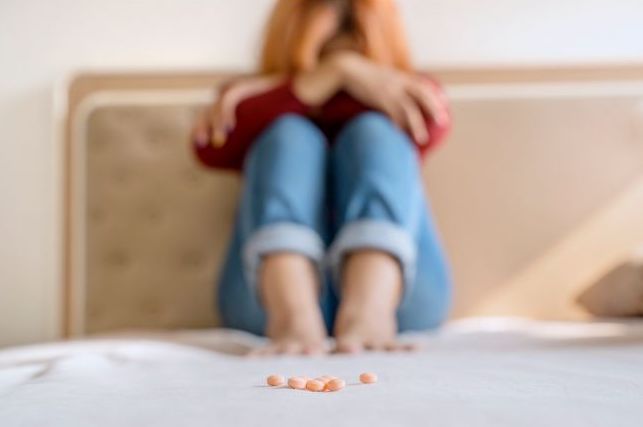
Why Immediate Support is Crucial
» Risk of Overdose:
- Opioids and Benzodiazepines: The combination of opioids or benzodiazepines with other substances, including alcohol, can significantly increase the risk of overdose. Overdose can result in life-threatening respiratory depression, coma, or death. Immediate intervention is essential to manage overdose risks and provide timely medical treatment.
- Stimulants: While stimulant overdoses are less common than opioid or benzodiazepine overdoses, they can still occur. Overdose symptoms may include heart palpitations, chest pain, and severe agitation. Rapid medical attention is needed to address these symptoms and prevent serious health complications.
» Managing Withdrawal Symptoms:
- Withdrawal Challenges: Withdrawal from prescription drugs can be challenging and, in some cases, dangerous. Opioid withdrawal may include symptoms such as nausea, vomiting, muscle aches, and intense cravings. Benzodiazepine withdrawal can lead to severe symptoms like seizures, hallucinations, and delirium. Stimulant withdrawal may cause fatigue, depression, and intense cravings.
- Safe Detoxification: Immediate support is necessary to ensure safe and medically supervised detoxification. Medical professionals can provide medications and support to manage withdrawal symptoms and reduce the risk of complications.
» Preventing Relapse:
- Comprehensive Treatment: Early intervention is crucial for preventing relapse. Addiction treatment centers that offer comprehensive care, including therapy, counseling, and support services, can help individuals develop coping strategies, address underlying issues, and build a foundation for long-term recovery.
- Ongoing Support: Continued support is essential for maintaining sobriety and achieving lasting recovery. Treatment programs offering aftercare, support groups, and relapse prevention strategies are critical in helping women stay on track and build a healthier lifestyle.
Role of Teen Challenge Rehabs for Adult Women
Teen Challenge is a prominent network of addiction treatment centers that provides faith-based, holistic care for women struggling with addiction, including prescription drug abuse. Here’s how Teen Challenge rehabs support women in their recovery journey:
» Faith-Based Approach:
- Spiritual Support: Teen Challenge emphasizes the role of faith in recovery. The program incorporates Christian principles and spiritual growth as central components of the treatment process. Women are encouraged to develop a deeper relationship with God, giving them a sense of purpose, hope, and strength.
- Christ-Centered Counseling: The program includes counseling and therapy that integrate faith-based perspectives. This approach helps women address their addiction and related issues through a spiritual lens, which can be particularly beneficial for those who find comfort and strength in their faith.
» Holistic Care:
- Comprehensive Treatment: Teen Challenge offers a holistic approach to addiction treatment, addressing the physical, emotional, and spiritual aspects of recovery. Women receive personalized treatment plans, including medical care, therapy, and life skills training.
- Life Skills Development: The program provides training in essential life skills, such as financial management, job readiness, and parenting. This support helps women rebuild their lives and develop the tools for long-term success.
» Supportive Environment:
- Residential Program: Teen Challenge’s residential treatment provides a safe and supportive environment where women can focus on their recovery without the distractions and triggers of their everyday lives. The community setting fosters mutual support and encouragement among participants.
- Aftercare and Relapse Prevention: The program offers aftercare services to help women transition into their daily lives. Ongoing support, including access to support groups and continued counseling, is crucial for maintaining sobriety and preventing relapse.
 Finding the Right Addiction Treatment Center
When seeking help for prescription drug abuse, it’s essential to find a treatment center that offers comprehensive, personalized care. Look for programs that provide:
- Medical Supervision: Ensure that the center offers medically supervised detoxification and treatment to manage withdrawal symptoms safely.
- Holistic Approach: Choose a program that addresses all aspects of recovery, including physical, emotional, and spiritual needs.
- Ongoing Support: Look for centers offering aftercare and support services to help individuals recover and prevent relapse.
A Path to Recovery and Healing
Prescription drug abuse is a serious issue that requires immediate and effective intervention. Women struggling with addiction to opioids, benzodiazepines, or stimulants need comprehensive support to overcome their dependence, manage withdrawal symptoms, and prevent relapse. Teen Challenge rehabs for adult women offer a valuable resource in this journey, providing faith-based, holistic care that addresses the unique needs of women and supports long-term recovery.
If you or someone you know is struggling with prescription drug abuse, reaching out for help is the first step toward recovery. With the right treatment and support, it’s possible to overcome addiction, rebuild your life, and embrace a healthier, more fulfilling future.
Ready to Take the First Step Towards a Brighter Future? Discover how Kentucky Women’s Rehab can support your journey to recovery with our affordable, faith-based treatment programs. Our Christian counseling and supportive community are here to guide you every step of the way as you overcome prescription drug abuse and build a new, fulfilling life. Reach out today to learn how we can help you reclaim your life and find lasting healing.

They Got Help Here

"I fell into a deep opiate addiction -- it held me captive for eight years, until I was introduced to this program. My life has changed!”
Karen

"I was struggling with a cocaine addiction for 8 years. Today, my family has been restored, and my life has stability. I am a working, trusted and responsible person.”
Christin

"I was in and out of rehabs, living out of my car. I ended up in jail, and then came here. Now I am no longer a hopeless drug addict, but a godly woman.”
Coty
Video Testimonials


